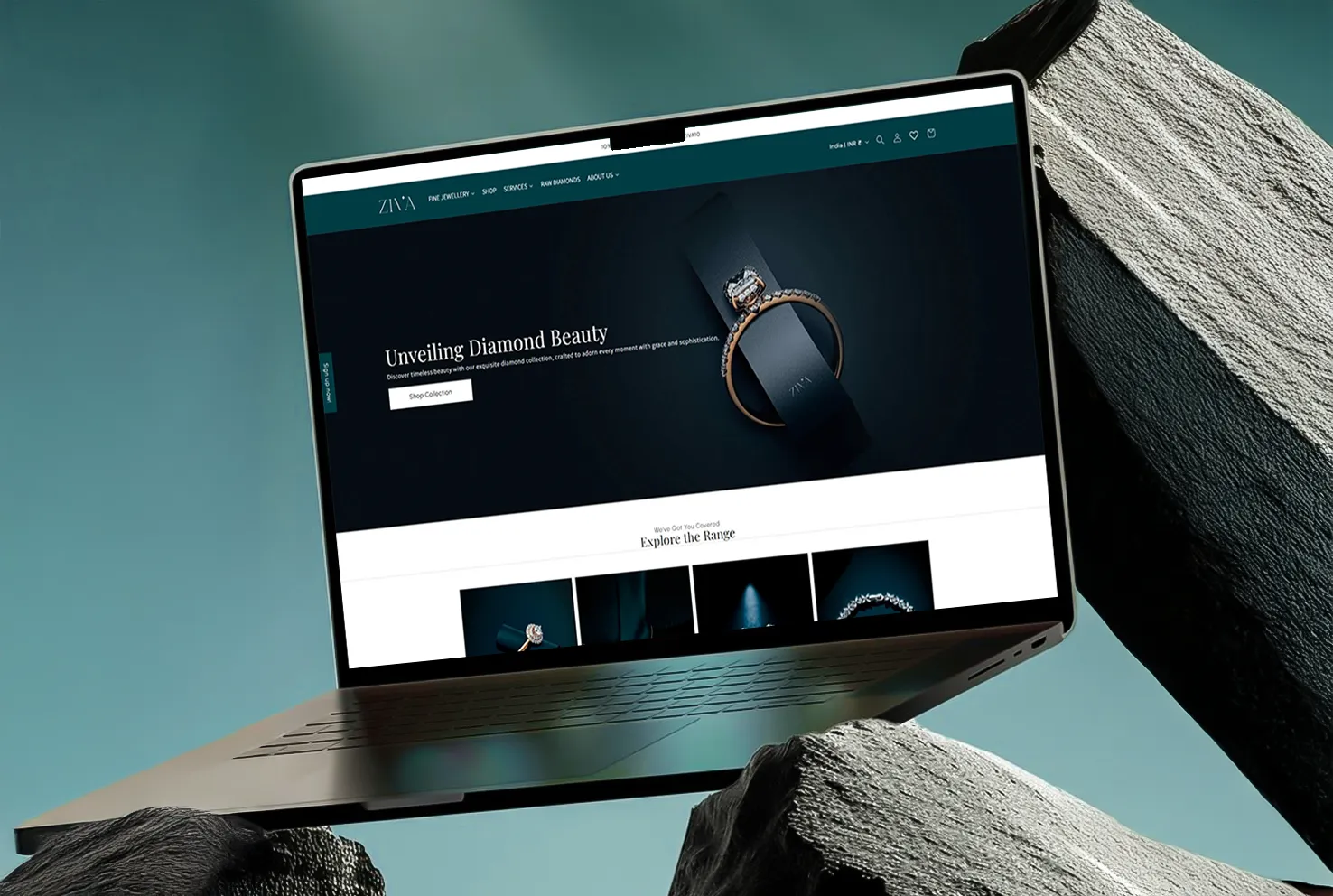

Your website is often the first impression clients have of your business. A slow, cluttered, or poorly designed site can turn potential customers away. Here’s why a fast and functional website is essential for growth.
First Impressions Count
Your website is often the first interaction a potential client has with your business. Within seconds, they decide whether to stay, explore, or leave. This makes the first impression crucial. A website with a clean, organized layout communicates professionalism and trustworthiness immediately.
Cluttered designs, inconsistent fonts, or broken links can make your business appear unprofessional. For example, a small service-based business with a confusing homepage may lose potential clients because they can’t find key information like services or contact details. On the other hand, a visually appealing site with clear navigation encourages visitors to explore more.

Consistency is also important. Using a cohesive color palette, readable typography, and consistent imagery strengthens your brand identity. A professional design shows that you care about your clients’ experience, making them more likely to trust you and engage with your services. Small touches like visible call-to-action buttons or highlighted contact sections guide visitors toward taking action, whether that’s booking a service or contacting you for more information.
Speed and Mobile Experience
Website speed is one of the most critical factors in retaining visitors. Studies show that users expect a page to load in under three seconds, and slow websites can increase bounce rates dramatically. Even a one-second delay can impact conversions significantly. For instance, an e-commerce site with long loading times may lose nearly half of its potential buyers.
Mobile responsiveness is equally essential. More than 60% of web traffic comes from mobile devices. If your site isn’t optimized for smartphones and tablets, visitors may struggle to read text, click buttons, or navigate pages. This poor experience often leads to frustration and loss of business.
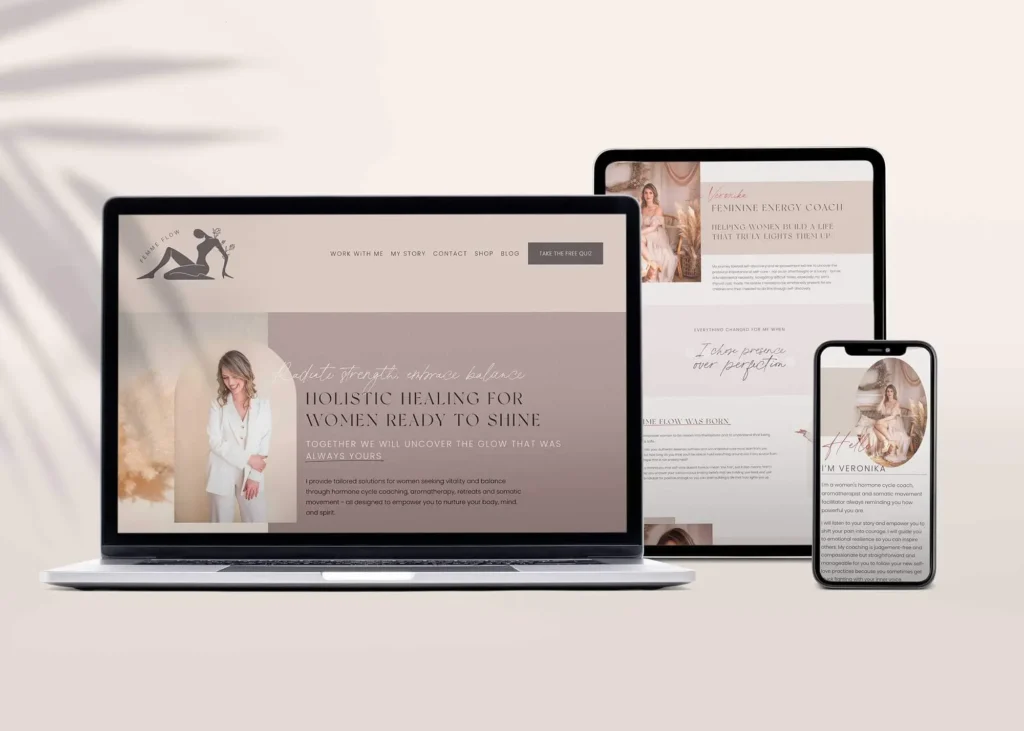
Optimizing your website for speed involves several strategies: compressing images, reducing unnecessary scripts, using efficient hosting, and leveraging browser caching. A responsive design ensures that your site automatically adjusts to various screen sizes, making it accessible and user-friendly for everyone. Combining fast loading with mobile optimization improves user engagement, reduces bounce rates, and even boosts your search engine rankings.
SEO and Security
A website is only effective if clients can find it. Search Engine Optimization (SEO) ensures your site appears in search results when people look for services like yours. Optimized page titles, meta descriptions, headings, and high-quality content attract organic traffic. For example, a local florist using keywords like “best flower delivery in [city]” will be easier to find for nearby clients.
Security is another critical aspect. SSL certificates, secure coding practices, and regular updates protect your website and client data. Visitors are more likely to trust websites that display a secure connection and follow best practices for data protection. A hacked website or exposed client data can harm your reputation and lead to lost business.
Together, SEO and security make your website not only visible but credible and reliable. A professional, secure, and search-optimized site attracts relevant visitors, builds trust, and increases conversions.
Conclusion:
A professional website is more than a digital presence—it’s a tool for credibility, engagement, and growth. First impressions, speed, mobile optimization, SEO, and security all play vital roles in attracting and retaining clients. Investing in these areas ensures your website reflects your brand positively and drives measurable business results.